
Nuestras piedras
- Aquamarine
- Amethyst
- Green Amethyst
- Amazonite
- Apatite
- Aventurine
- Azurite
- Chalcedony
- Yellow Calcite
- Celestite
- Kyanite
- Citrine
- Chrysocolla
- Chrysoprase
- Cristal Quartz
- Smoky Quartz
- Pink Quartz
- Rutilated Quartz
- Green Quartz
- Diamond
- Black Diamond
- Sphalerite
- Emerald
- Spinel
- Granate
- Iolite
- Jade
- Labradorite
- Lapis Lazuli
- Malachite
- White Marble
- Moissanite
- Moonstone
- Morganite
- Obsidian
- Black Onyx
- Opaline
- Andean Opal
- Pink Opal
- Peridot
- Pyrite
- Rhodolite
- Rubellite
- Ruby
- Serpentine
- Silica
- Tanzanite
- Topaz
- Yellow Topaz
- Tsavorite
- Blue Tourmaline
- Pink Tourmaline
- Black Tourmaline
- Green Tourmaline
- Sapphire
- Pink Sapphire
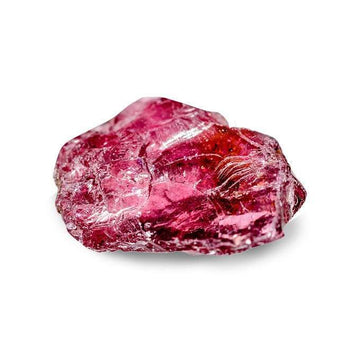
Granate
Its name comes from the medieval Latin word “Granatum,” which is an adjective meaning dark red.
The use of red granate dates back thousands of years, when it was used by Egyptian pharaohs for decorative and ceremonial purposes.
It has long been considered the gemstone of travelers. In traditional Hindu belief systems, it is associated with the root chakra, which in turn is associated with feelings of security and stability. It is also said to help promote successful business ventures.
Find your favorite jewel here Granate


Regular price
S/. 2,400
Sale price
S/. 2,400
Regular price


Regular price
S/. 1,450
Sale price
S/. 1,450
Regular price


Regular price
S/. 2,350
Sale price
S/. 2,350
Regular price


Regular price
S/. 3,900
Sale price
S/. 3,900
Regular price